Project Mentor: Professor Xuanhong Cheng, Bioengineering
Continuing Fellows:
Vedanth Vivek '28
River Knoblauch '27
William Lukman '28
2026 Impact Fellows:
Jairo Lazo '28
Sarah Haque '29
Zoe Paisner '28
Project Description:
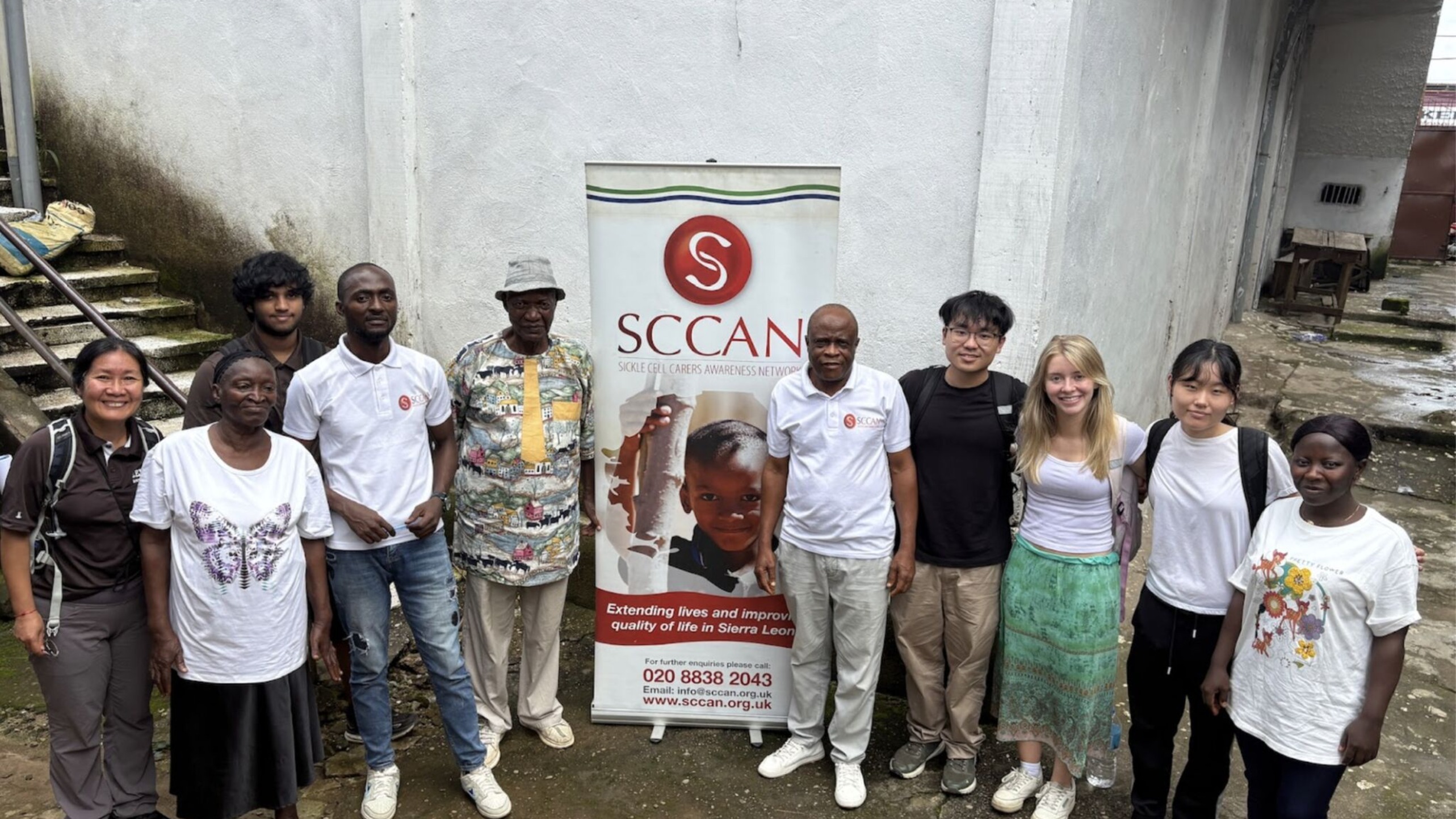
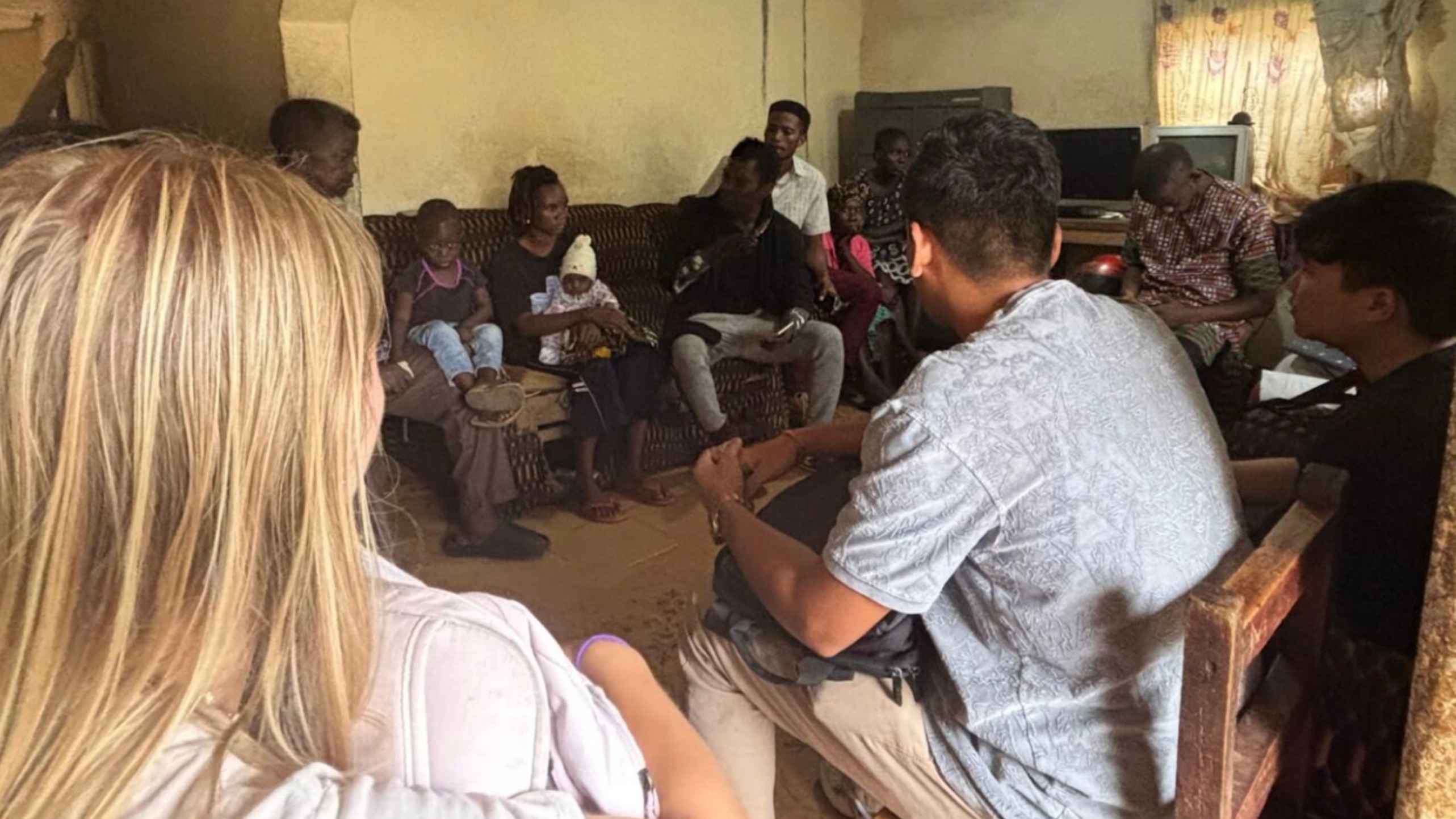
SicklED aims to address diagnostic and educational barriers to early sickle cell disease diagnosis in Sierra Leone. Our main goal is to develop a low-cost, point-of-care diagnostic device alongside educational materials to help raise community awareness about the disease. The device is a lateral flow immunoassay designed to detect hemoglobin A and hemoglobin S in a small blood sample, supporting accessible screening in healthcare settings with limited laboratory resources. The team consists of a group of students from various educational backgrounds – engineering, biology, and population health. A combination of these expertise helps SicklED reach its goals in both the lab and in outreach efforts. We ultimately want to optimize the device’s performance, affordability, and ease of use while collaborating with healthcare facilities, community advocates, and technical partners to understand implementation needs in Sierra Leone. The long-term goal is to support earlier diagnosis and treatment, helping reduce preventable deaths among children under five and avoidable healthcare costs.
Over the next few years, a team of three to six students will work with faculty and local partners to move the project from device development in the lab toward a functional diagnostic device that can be implemented in the field. The first phase centers on the assay itself: optimizing reagents, refining sample preparation, and improving device components, alongside mapping the screening and referral pathways already in use locally. Once the device is ready, the team will validate its performance against an established reference method. In parallel, students will develop educational and training materials for healthcare workers, laying the groundwork for the final phase: piloting the screening test in fieldwork, evaluating it on cost and referral-completion rates, and building a sustainability plan with local partners. Throughout, students will take substantial ownership of experimental design, laboratory research, data analysis, fieldwork, and dissemination. Anticipated outcomes include an optimized prototype, a practical screening and referral framework, and findings prepared for peer-reviewed publication and conference presentation.