
Lehigh Students Step Into Global Leadership at Entrepreneurial Intensive
Impact Fellows and Sustainable Futures Fellows reflect on leadership, complexity, and responsibility
Leadership takes shape through experience and reflection. For nearly 200 Lehigh University students, it became immediate and personal during the Global Entrepreneurial Leadership (GEL) Retreat, a three-day experience that challenged them to reflect on how leadership shapes decisions, responsibility, and long-term impact.
Co-hosted by the Lee Iacocca Institute for Global Leadership and Creative Inquiry, the retreat took place from Jan. 30 to Feb. 1 and brought together students from the Impact Fellowship and Sustainable Futures Fellowship programs. The gathering marked the formal start of a year-long journey in which students will work on multi-year, interdisciplinary, real-world projects alongside faculty mentors and returning fellows who continue their project work beyond the first year.
Throughout the retreat, students engaged with the central question driving the experience: why leadership matters, not just for individual success, but for navigating real-world challenges, uncertainty, and responsibility in today’s world.
The retreat opened with a panel discussion featuring leaders from public service, nonprofit organizations, academia, and the private sector. Drawing from their own careers, the panelists spoke about the decisions that shaped their paths and the trade-offs that come with leadership in high-stakes environments.
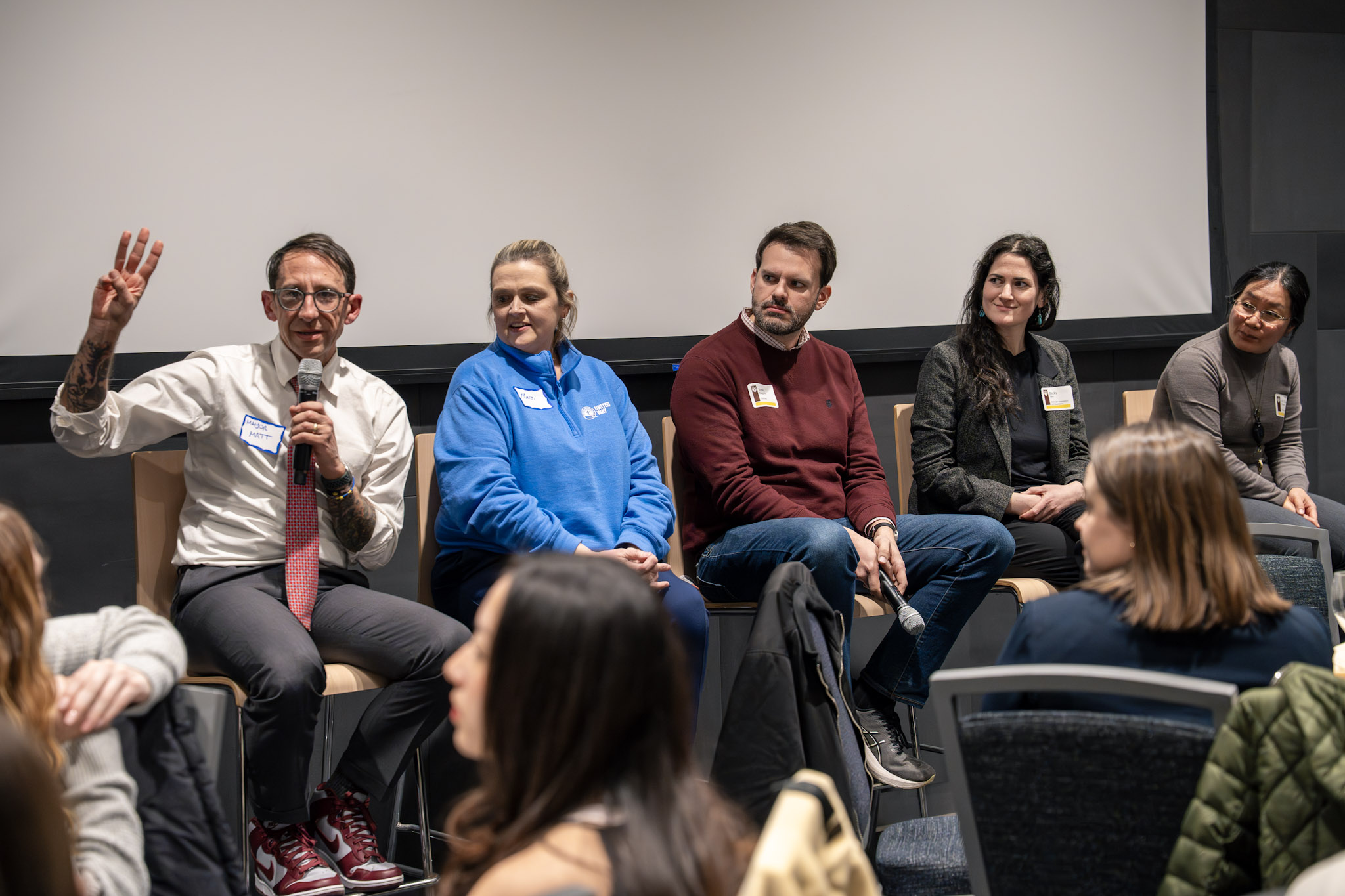
The panel included Matt Tuerk, mayor of Allentown; Marci Lesko, chief executive officer of United Way of the Greater Lehigh Valley; Steve Garguilo, founder of Cultivate; Becky Mer, policy analyst at the Defender Association of Philadelphia; and Xuanhong Cheng, professor of bioengineering.
Garguilo, speaking from the perspective of entrepreneurship, emphasized that leadership is not reserved for formal titles, but shaped through everyday choices.
“Whether or not we lead is a choice we get to make so many times every day,” he said. “I loved seeing how many Lehigh students are choosing to lead. I’m excited to see how they continue to practice, reflect, and will things into existence.”
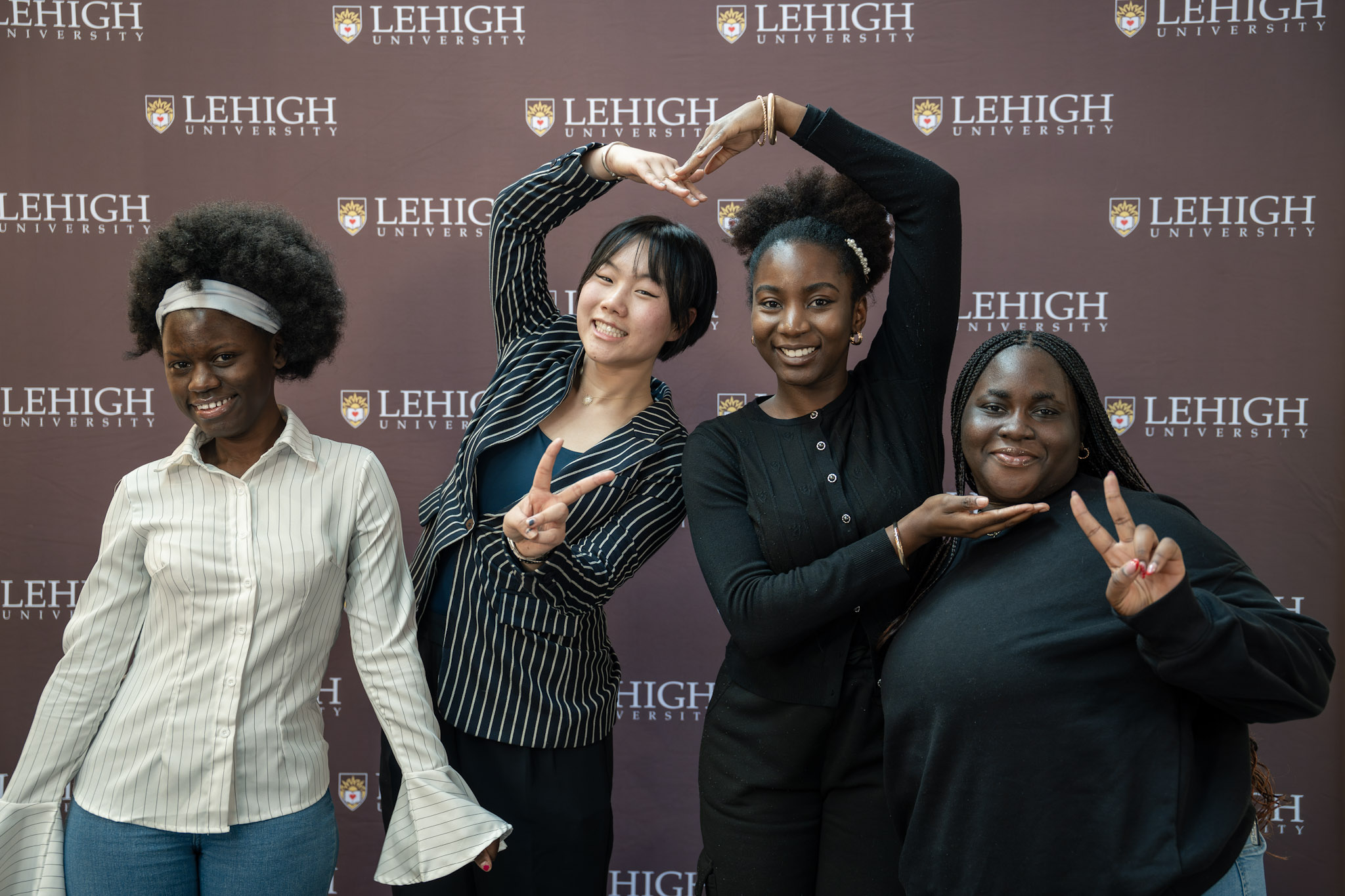
“Lehigh University drives innovation and development in the Lehigh Valley, attracting next generation civic and industry leaders to our region,” Tuerk said. “I had an amazing time interacting with students who are poised to make real impact in communities near and far.”
On Saturday and Sunday, students transitioned from reflection to application through a series of interactive sessions designed to build practical leadership skills. The Lee Iacocca Institute team, led by Leah Mason, interim director of the Lee Iacocca Institute for Global Leadership, Carrie Duncan, program director of the Lee Iacocca Institute and Anastassiya Perevezentseva, assistant director of the Iacocca International Internship program, guided students through sessions on emotional intelligence, conflict resolution, personal and professional leadership habits, and leading through change.
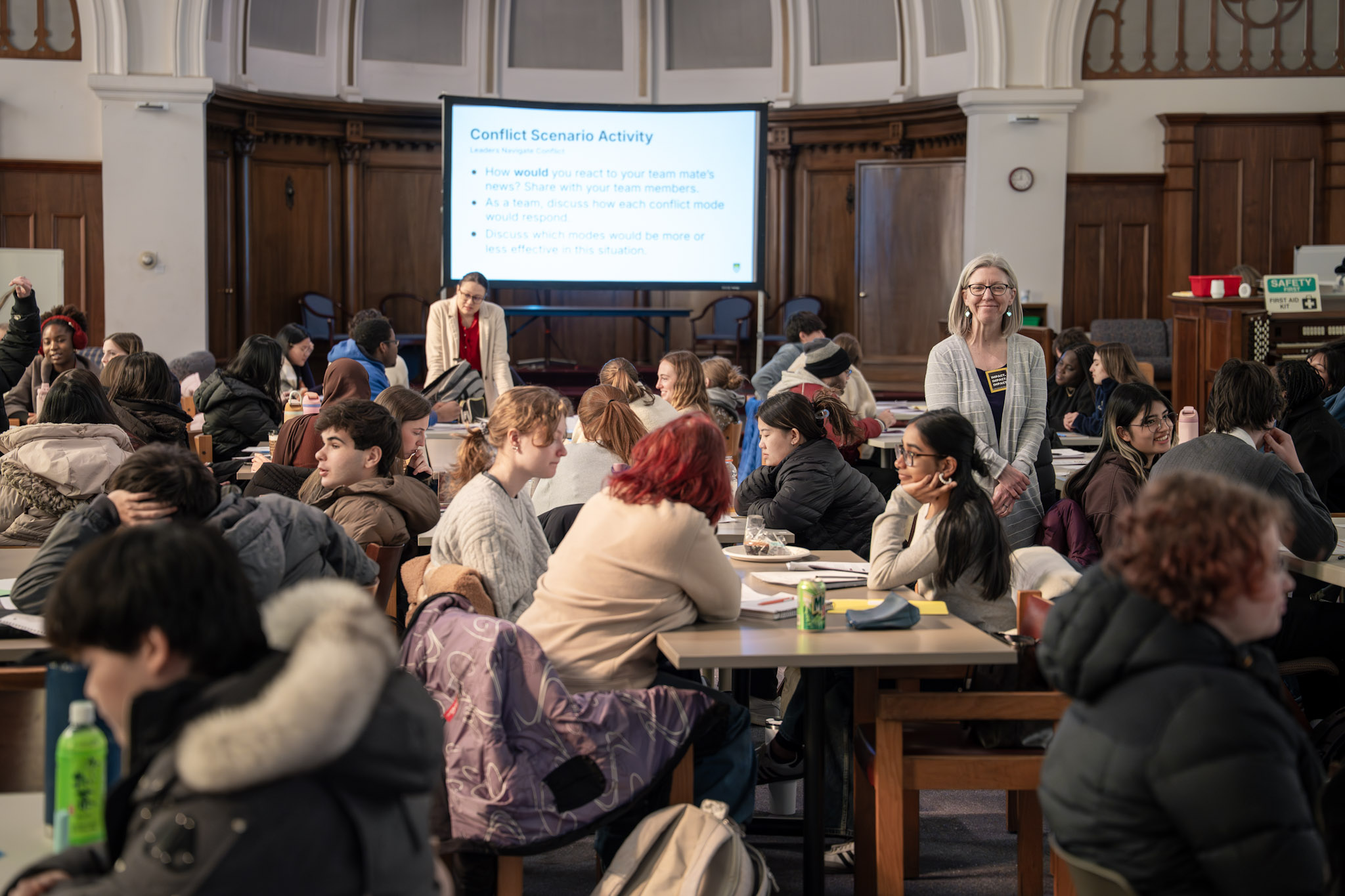
“The Global Entrepreneurial Leadership Retreat was an incredibly inspiring experience,” said Uzma Khan, a Fulbright Scholar and master’s student in instructional technology. “Hearing leaders share how they are creating real change in their communities made me reflect on the kind of impact I want to have. The sessions on collaboration and conflict management showed me that leadership is not just about guiding others, but about understanding different perspectives and creating environments where everyone can thrive.”
As someone committed to education and community development, Khan said the retreat inspired her to be more intentional in shaping learning experiences and opportunities that empower underserved communities, and to lead with empathy and purpose.
The Lee Iacocca Institute for Global Leadership is part of Lehigh’s Office of International Affairs, which supports globally focused education and leadership development across the university.
“Global leadership requires embracing complexity, especially when working across cultures, systems, and perspectives,” said Mason. “By encouraging students to reflect on how they develop and engage as leaders, we help them understand their impact on themselves, others, and the world.”
“That is why partnering with Creative Inquiry is so powerful. Impact Fellows are already focused on driving change in communities, and this retreat helps them connect leadership practice to that work in a meaningful way,” Mason added.
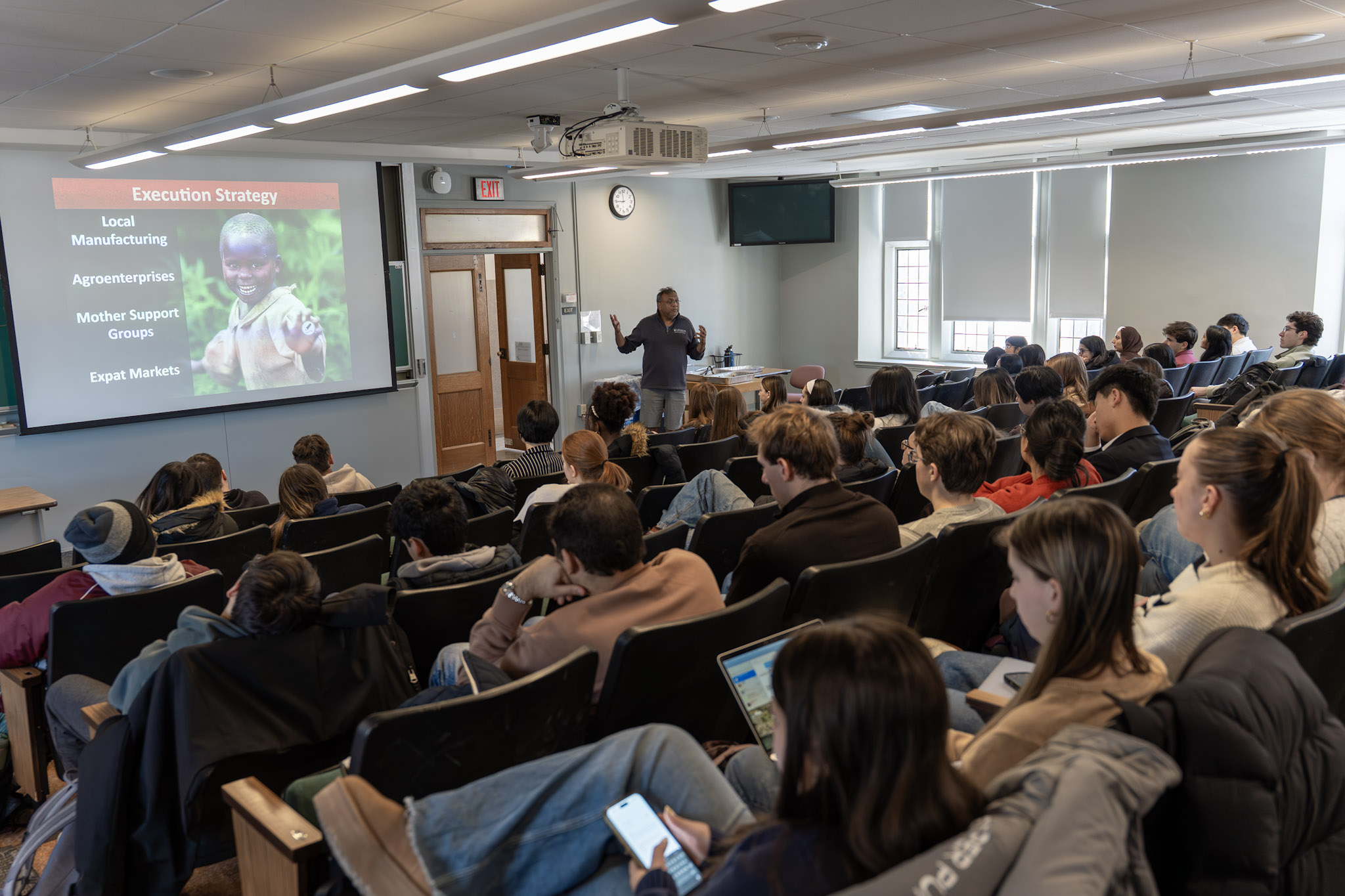
Running concurrently, the Creative Inquiry team of Khanjan Mehta, vice provost for Creative Inquiry, Eric Obeysekare, teaching assistant professor of computer science and engineering and creative inquiry, and Bill Whitney, assistant vice provost for experiential learning programs, led sessions focused on sustainable development and systems transformation, project planning, and framing research manuscripts to advance knowledge.
“Impact Fellows are working across cultures, disciplines, and borders to address complex global challenges,” Mehta said. “The GEL Intensive prepares Future Makers to lead in these dynamic environments. It gives them space to reflect on responsibility, navigate cultural and systemic complexity, and strengthen the habits of leadership required for sustained, real-world impact.”
For continuing Impact Fellows, the retreat also offered a moment of reflection. Jackson Kramp ‘27, a Political Science & Health, Medicine, and Society major, a Sustainable Futures Fellow for Brazil, who participated in the Global Social Impact Fellowship two years ago, said the experience reconnected him with the purpose of Creative Inquiry.
“The GEL retreat reintroduced me to the world of Creative Inquiry,” Kramp said. “I felt I could truly contribute and learn from mentoring teams and their new fellows. Getting to know my new team and the rest of the Sustainable Futures Fellows reminded me that the work in Creative Inquiry and similar programs is not just about results. It is about the people behind the work.”
Kramp added that the panel reinforced that message. “The panel illustrated the great strides of Creative Inquiry by bringing together high-level and diverse decision-makers,” he said. “The panelists highlighted the human aspect of leadership. Making difficult decisions or adapting to new contexts may define what leaders do, but valuing the human experience of your entire team and the problems you address remains paramount to successful leadership.”
Together, the panel discussions and hands-on sessions framed leadership as a skill developed through practice, reflection, and accountability. For students preparing to take on social, environmental, and economic challenges through their fellowship projects, the retreat marked an important starting point.