
Five impact-focused projects will launch in 2027, building on a growing collaboration in research, innovation and experiential learning.
Lehigh University is expanding its Global Social Impact Fellowship (GSIF) program to Brazil in 2027, launching five projects addressing challenges in environmental sustainability, public health and accessible medical technologies.
The expansion builds on a partnership with Universidade do Vale do Rio dos Sinos (UNISINOS) that began in recent years and has since grown to include a humanitarian design and social entrepreneurship intensive, plus opportunities for joint research, social enterprise, and experiential learning.
The five GSIF projects will bring Lehigh students and faculty together with Brazilian partners to address challenges in health care and environmental sustainability:
Two projects mentored by Thomas Gartner, assistant professor of chemical and biomolecular engineering, focus on sustainable materials and plastic waste:
- PlasTech Ventures: Exploring ways to transform discarded plastic film into filament that can be used in additive manufacturing.
- AgriWrap: Developing biodegradable packaging alternatives using agricultural materials such as cassava and corn starch.
Two additional projects, mentored by Amirtahà Taebi, assistant professor of bioengineering, focus on expanding access to cardiovascular screening:
- Smartphone-Based Cardiorespiratory Monitor: Developing a smartphone-based tool to make cardiovascular screening more accessible.
- Developing a Low-Cost AI-Based Multimodal Cardiorespiratory Monitor: Designing a low-cost wearable device to help detect critical congenital heart disease in newborns.
- TrackTB: Developing a digital platform to help tuberculosis patients track medication adherence and communicate with health care providers. Mentored by Sean Vassilaros, adjunct professor of computer science and business.
"Our two projects in Brazil are aimed at the same goal: bringing early detection of heart disease to communities that have little access to specialized diagnostics," Taebi said. "What excites me most about partnering with UNISINOS is that our students will work alongside local collaborators and test their technology in the settings it is designed to serve, which will make them better engineers and make the tools more useful for the people who need them."
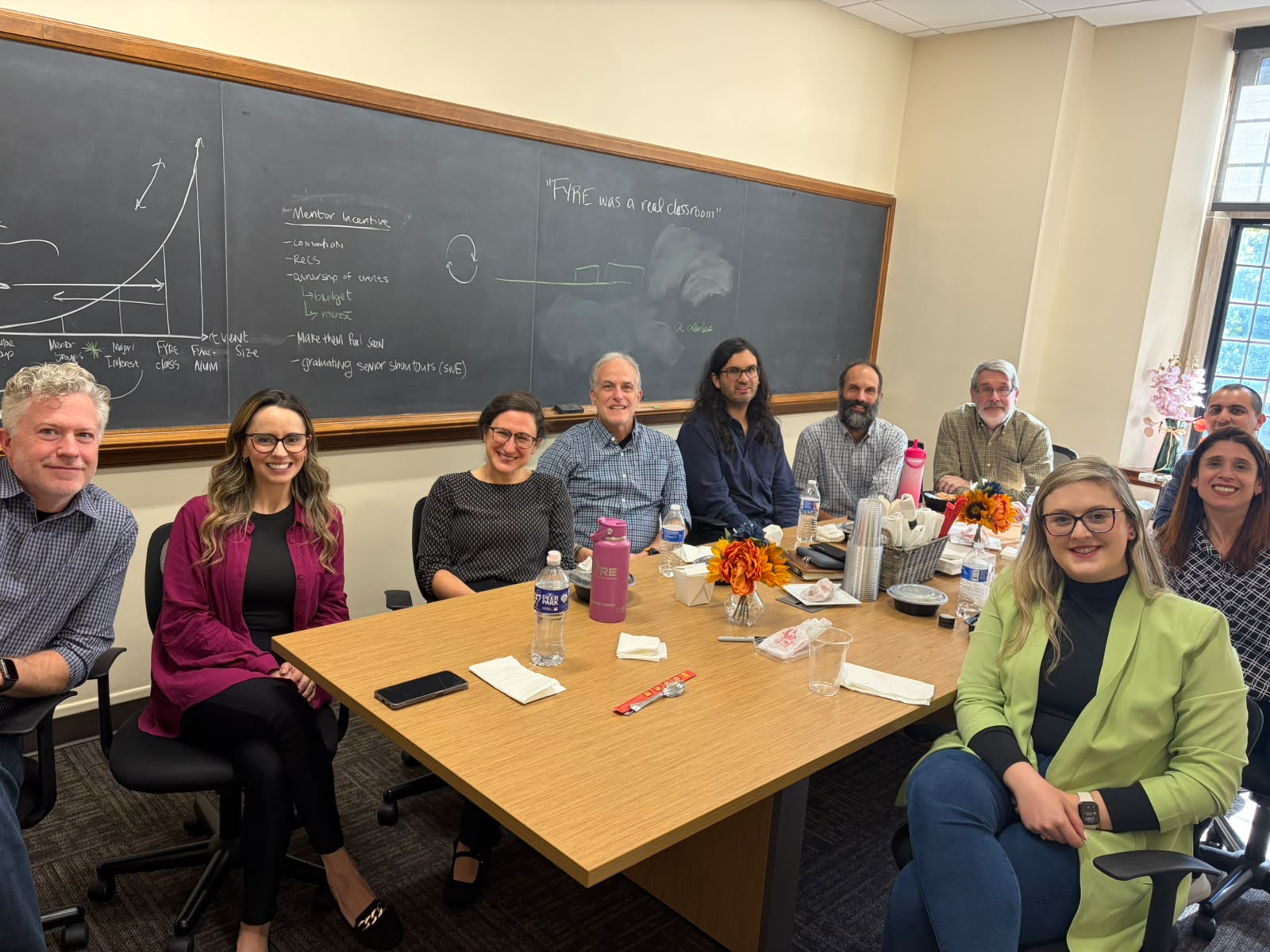
One milestone in the collaboration came in March 2026, when five Lehigh Sustainable Futures Fellows traveled to UNISINOS in São Leopoldo, Brazil, to lead a Humanitarian Design and Social Enterprise (HDSE) Leadership Intensive supported by Fulbright Brazil.
Malayna Leopold ’26, Alexandra McWatters ’27, Olivia Meyer ’27, Lizzy Hay ’27 and Jackson Kramp ’27 worked on the UNISINOS campus March 9–13, guiding 35 undergraduate and graduate students and 10 faculty and staff from UNISINOS and other Brazilian institutions of higher education through workshops in humanitarian design, entrepreneurship and venture development. Participants worked in small teams to develop venture concepts addressing challenges in health, education, employment and environmental sustainability.
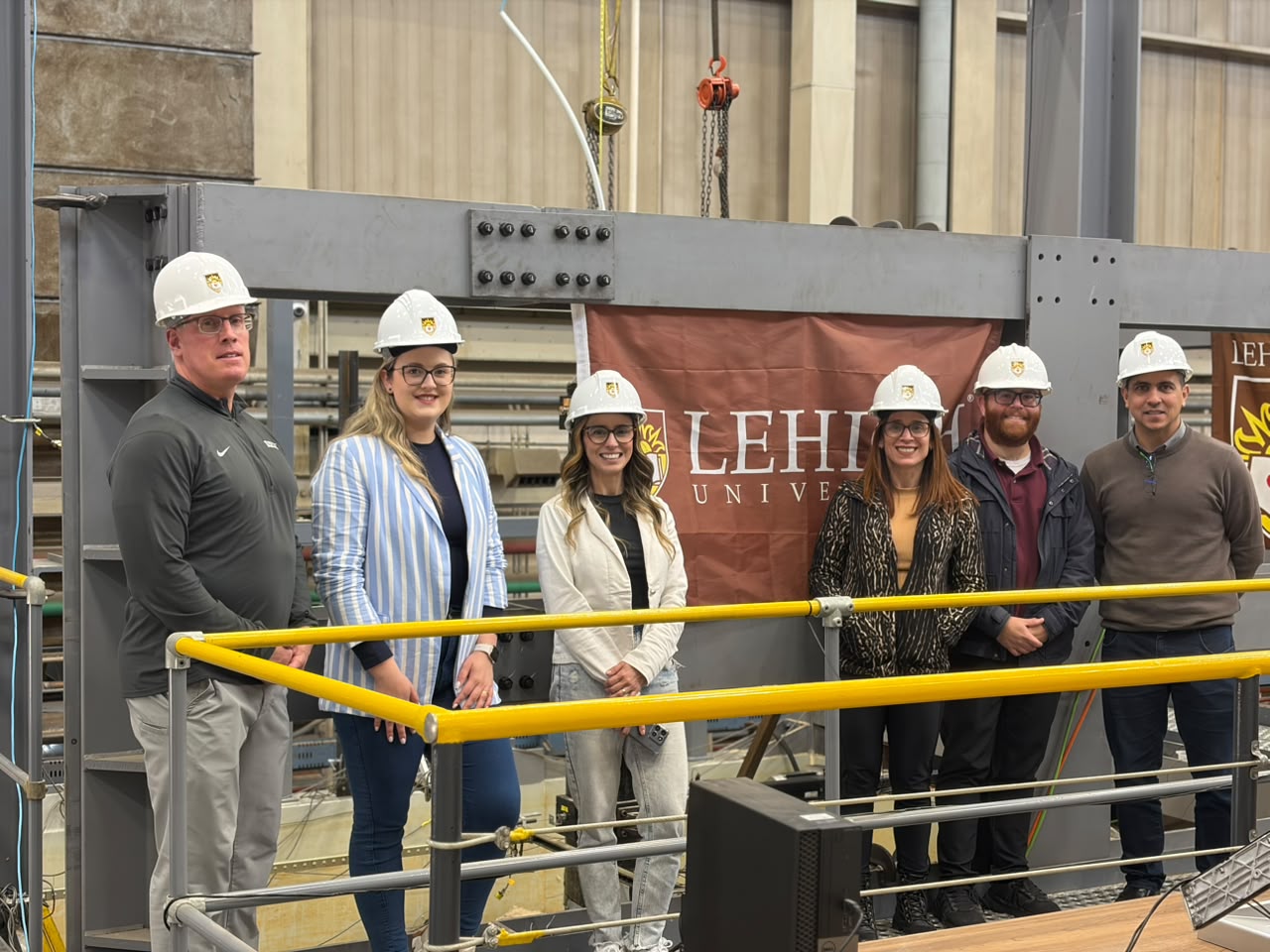
The partnership gained momentum in October, when four UNISINOS researchers visited Lehigh Oct. 19 - 22 to explore joint research opportunities and prepare for the launch of the new GSIF projects.
The delegation included Amanda Gonçalves Kieling, professor and coordinator of the environmental engineering program; Marcelo Oliveira Caetano, professor and coordinator of the graduate program in civil engineering; and doctoral students Giovanna Menegussi Portela and Aline Felten Bondam.
Coordinated by Lehigh's Office of Creative Inquiry, the visit brought the researchers together with faculty and university leaders to discuss opportunities for collaboration in engineering research, graduate education and experiential learning. The delegation also explored Lehigh's research facilities and interdisciplinary programs, gaining a closer understanding of the university's approach to connecting academic research with practical challenges.
"We are thrilled to strengthen the partnership between UNISINOS and Lehigh University through the Global Social Impact Fellowship," Kieling said. "It is an opportunity to connect talented students, faculty, and communities across borders in pursuit of shared solutions to complex global challenges."
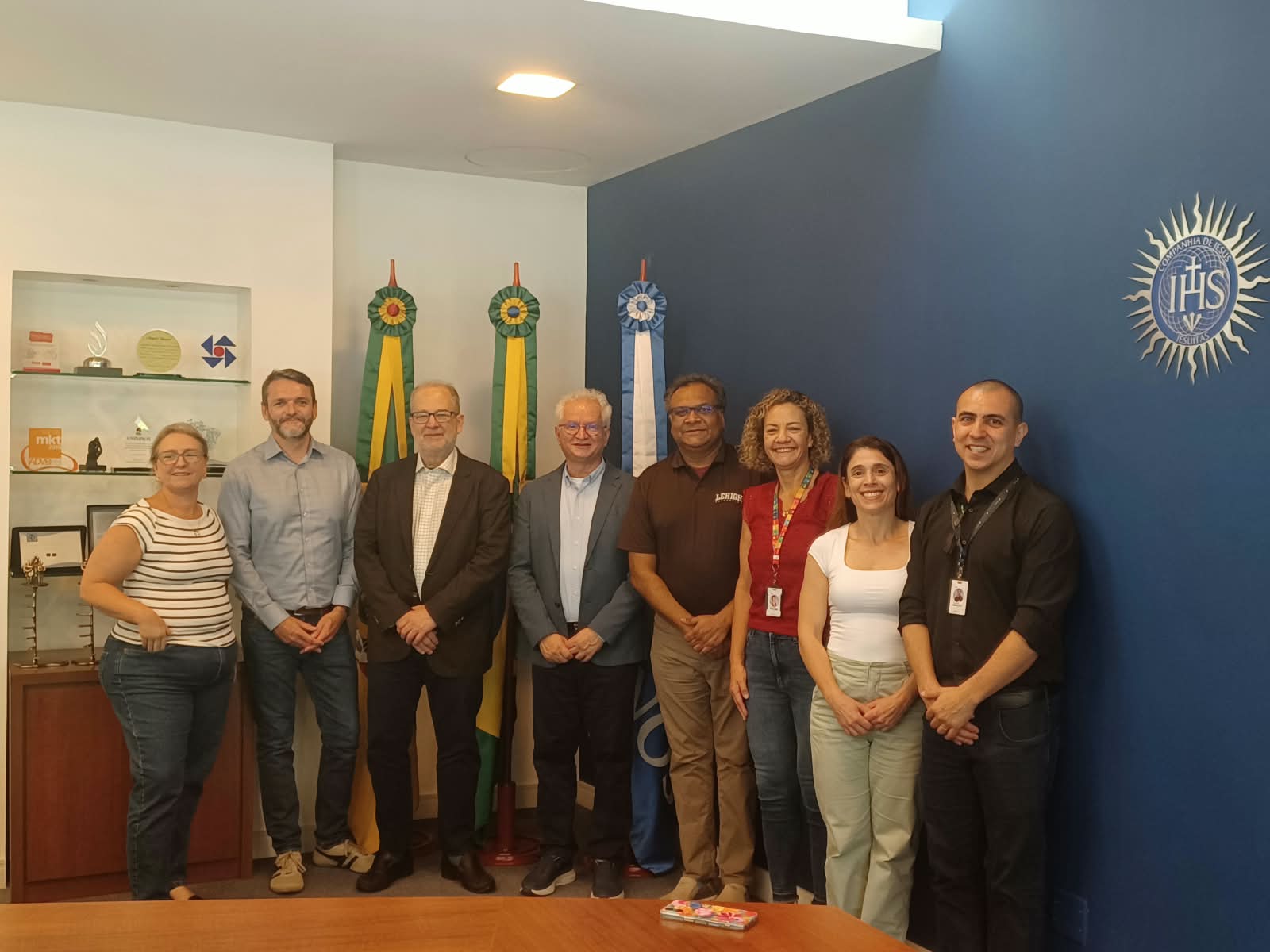
The partnership continued to advance as Khanjan Mehta, vice provost for Creative Inquiry, visited Brazil Oct. 29 - Nov. 6, joined by Stephen DeWeerth, professor and the Lew and Sherry Hay Dean of the P.C. Rossin College of Engineering and Applied Science, and Steven McIntosh, professor and Department Chair; Zisman Family Professor of Chemical and Biomolecular Engineering. The visit focused on expanding research partnerships, graduate student recruitment and preparations for the new GSIF projects.
"Expanding GSIF to Brazil gives our students the opportunity to work alongside Brazilian researchers and communities on challenges that demand practical, locally relevant solutions," Mehta said. "The partnership with UNISINOS allows us to build on the relationships established through our HDSE program and develop projects that students can advance over multiple years. That's how we move beyond short-term experiences to create sustained impact."


